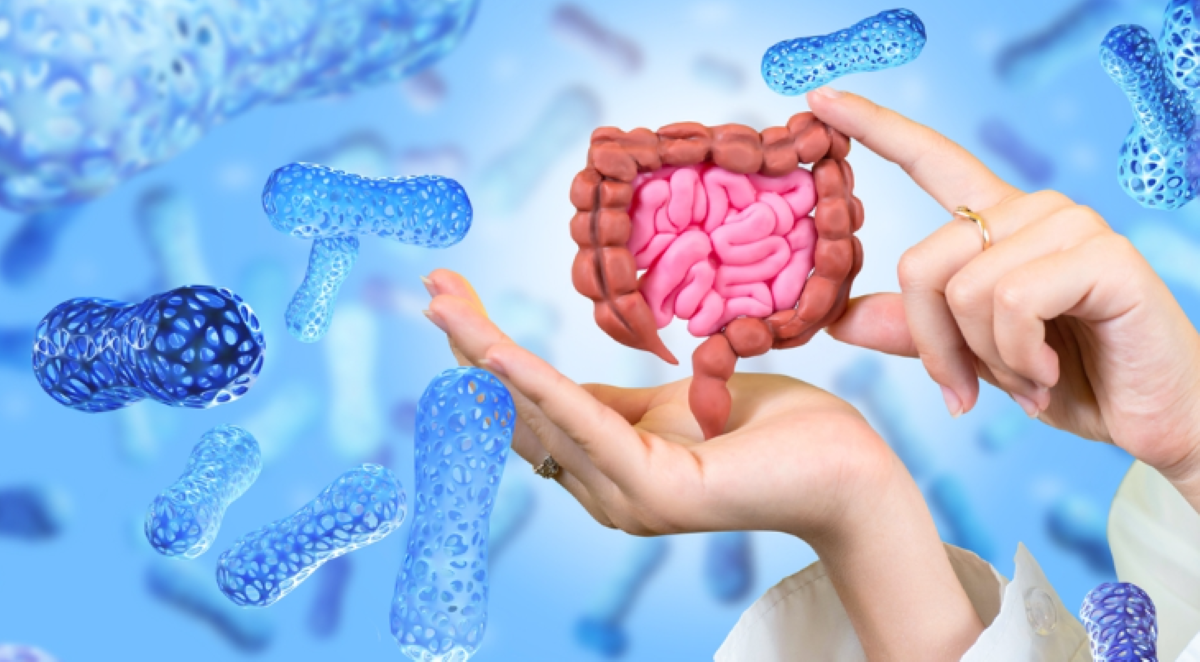
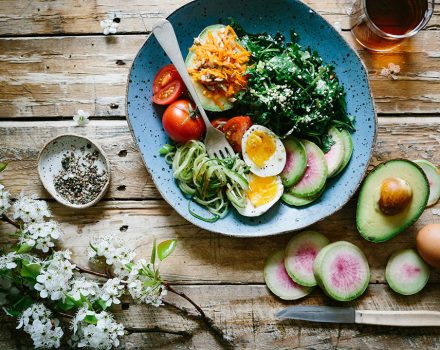
Gut health plays a crucial role in overall well-being, influencing everything from digestion to immune function. A healthy gut is essential for proper digestion, absorption of nutrients, and even mood regulation. The foods you eat can greatly impact the balance of good and bad bacteria in your gut, so it's important to include gut-friendly options in your diet.
Here are the top 5 foods that can help improve your gut health:
1. Probiotics-Rich Foods
Probiotics are live bacteria that promote the growth of good bacteria in the gut. These friendly bacteria help balance the gut microbiome and support a healthy digestive system.
Best sources:
Yogurt: Natural, unsweetened yogurt with live cultures.
Kefir: A fermented milk drink packed with probiotics.
Kimchi & Sauerkraut: Fermented vegetables that contain beneficial probiotics.
Why it helps: These foods replenish the beneficial bacteria in the gut, enhancing digestion and reducing bloating.
2. Fiber-Rich Foods
Fiber is an essential nutrient for gut health, especially soluble fiber, which acts as a prebiotic—feeding the good bacteria in your gut. Foods high in fiber promote healthy bowel movements and can help prevent constipation.
Best sources:
Oats: Rich in soluble fiber called beta-glucan.
Beans & Lentils: High in both soluble and insoluble fiber.
Fruits and Vegetables: Apples, bananas, spinach, and broccoli are excellent choices.
Why it helps: Fiber encourages the growth of healthy bacteria and improves overall digestive function.
3. Fermented Foods
Fermented foods are not only rich in probiotics, but they also contain beneficial enzymes that aid digestion and promote gut health. The fermentation process encourages the growth of good bacteria, which help break down food in the gut.
Best sources:
Miso: A fermented soybean paste commonly used in soups.
Tempeh: Fermented soybean cakes packed with protein and probiotics.
Pickles: Naturally fermented pickles (not those made with vinegar).
Why it helps: Fermented foods provide live cultures that support the gut microbiome and enhance nutrient absorption.
4. Ginger
Ginger is a powerful anti-inflammatory root that has long been used to soothe the stomach and reduce bloating. It promotes the production of digestive enzymes, which help break down food more effectively.
How to consume:
Why it helps: Ginger helps to improve digestion, reduce nausea, and support a healthy gut environment.
5. Bone Broth
Bone broth is a rich source of collagen, gelatin, and amino acids like glycine, which are all beneficial for gut health. It helps to heal and seal the gut lining, preventing leaky gut syndrome and improving digestion.
How to consume:
Drink as a warm soup or broth.
Use it as a base for soups, stews, and sauces.
Why it helps: Bone broth supports the integrity of the gut lining, reduces inflammation, and aids in the digestion of proteins and fats.
Final Thoughts
A healthy gut is essential for overall health, and including these gut-friendly foods in your daily diet can make a significant difference. Whether it's through probiotics, fiber, or fermented foods, your gut microbiome will thank you for nourishing it with these nutrient-rich options. Remember, a balanced diet with plenty of gut-friendly foods is one of the best ways to improve digestion and overall well-being.